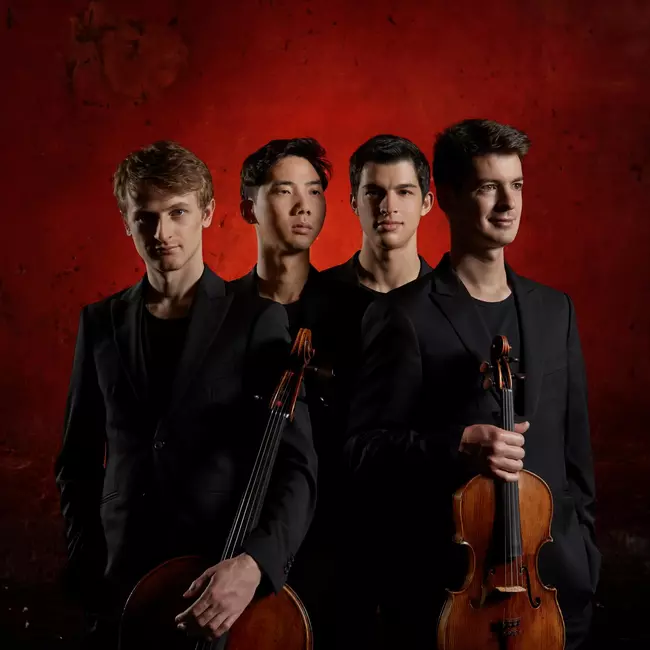
Quatuor Arod
News
25 August 2020
Quatuor Arod sheds a new perspective on three of Schubert's works this Autumn
“An outstanding album” was Gramophone magazine’s verdict on the Arod Quartet’s last release, a programme of Schoenberg, Zemlinsky and Webern that formed The Mathilde Album, named after Arnold Schoenberg’s wife. The young French quartet’s new release once again focuses on music from Vienna but goes back a further century to the time of Franz Schubert. The three works are Schubert’s Quartet No 14, ‘Der Tod und das Mädchen’ (‘Death and the Maiden’), Quartet No 4, and unfinished Quartet No 12, known as the ‘Quartettsatz’.
The members of the Arod Quartet explain that they have essentially followed the same concept they took for their debut album in 2017, which was devoted to Schubert’s contemporary Mendelssohn (and received a five-star accolade from BBC Music Magazine). “We wanted to explore several stylistic phases in Schubert’s life. No doubt his language would not have been the same without the visionary influence of Beethoven, but at the same time he is stylistically a worthy heir to Mozart. That’s what makes him such a complex figure: looking towards the future by following the example set by Beethoven, but also marked by tradition in his use of form and elements of folk music.”
‘Death and the Maiden’ was written in 1824, when Schubert’s health was already in serious decline: he was to die in 1828 at the age of just 31. “In the midst of the celebrations for Beethoven’s 250th anniversary, we are paying tribute to one of the composers he most influenced. Schubert, not long before his premature death, freed himself from the shadow cast by Beethoven and wrote his greatest masterpieces at record speed. ‘Death and the Maiden’ was one of the first pieces we worked on as the Arod Quartet, so it just had to be included in this album. It helped us grow up and define our artistic personality. Coming back to it after several years is very fulfilling for us. We now bring the experience we have gained since we first tackled it. We find we can take a different perspective: it is a work with so much to offer.”
‘Death and the Maiden’ takes its name from a song Schubert wrote in 1817, and which provides the theme for a set of variations in the second movement: a young woman is visited by Death, who invites her to sleep in his arms.
“It’s a gripping story... This young woman clinging resolutely onto life when faced by Death, who is seemingly so gentle and reassuring. It’s a tone poem that draws the audience in and keeps them on the edge of their seats for three-quarters of an hour. As players, we are struck by the formal perfection that makes this huge piece so accessible and coherent – even for an audience listening to it for the first time. Schubert advances the musical discourse he had started with his song some years earlier. He divides the first half of the quartet between the girl, in the first movement, and Death, in the second movement. The first movement takes us on a breakneck journey that leads to an inevitable conclusion. The second movement, meanwhile, shows us all the facets of Death, who at first seems straightforward and gentle, but who is revealed in his manipulative complexity. The third and fourth movements bring the components of the story together, presenting a dialogue between the two protagonists until Death prevails in the coda of the finale.”
While ‘Death and the Maiden’ is widely known as one of Schubert’s great works, the Quartet No 4 (written in 1813) is comparatively rarely performed. “This was an opportunity for us to introduce this early work to the public. It already contains all the elements which will later typify Schubert’s musical language. The Quartet No 12, meanwhile, is a fascinating unfinished work [dating from 1820], and its single movement is one of his first mature compositions for quartet. It demands great virtuosity of the first violin and is a quartet showcase that evokes the mood of the ‘Rosamunde’ [Quartet No 13]. We saw it as the ideal way to complete the album.”
31 August 2017
Erato's Quatuor Arod & Thibaut Garcia join BBC Radio 3’s New Generation Artists
Erato’s Quatuor Arod, one of the leading lights of the young generation of string quartets, and guitar sensation Thibaut Garcia will join BBC Radio 3’s flagship New Generation Artists scheme this season (2017 – 2019).
Established in 2013 and with all four members in their early twenties, the Paris-based Quatuor Arod has already captivated chamber music lovers in concerts at such prestigious venues as the Auditorium of the Louvre in Paris and the Verbier Festival in Switzerland. They quickly came to international attention when they won the coveted First Prize of the 2016 ARD International Music Competition in Munich. A Frenchman with Spanish blood, 23-year-old guitarist Thibaut Garcia made his Erato debut last year with Leyendas (Legends), an atmospheric recital of music by Spanish and Argentinian composers: Albéniz, Falla, Rodrigo, Tárrega (his famous, shimmering Recuerdos de la Alhambra), Manjón and Piazzolla.
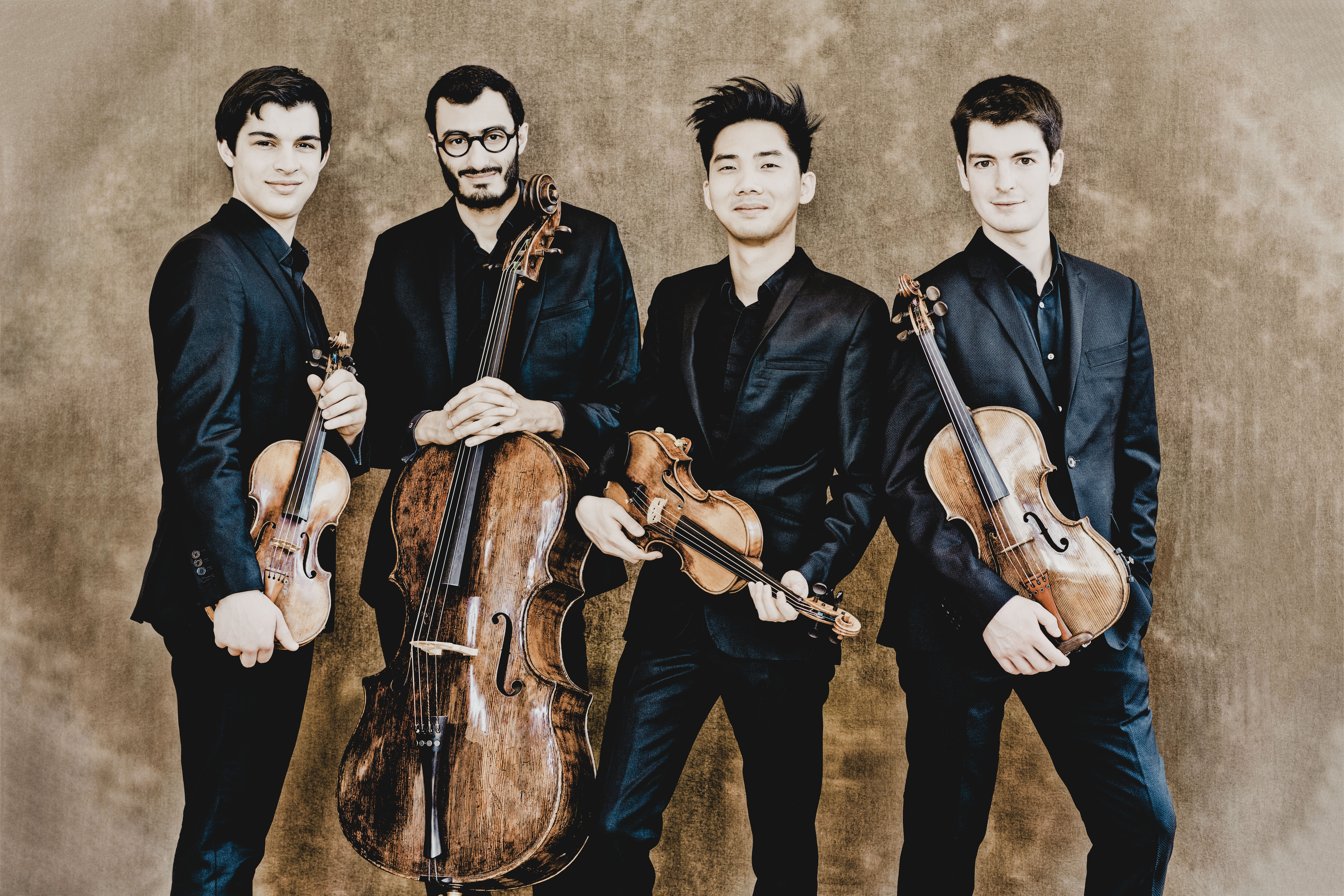
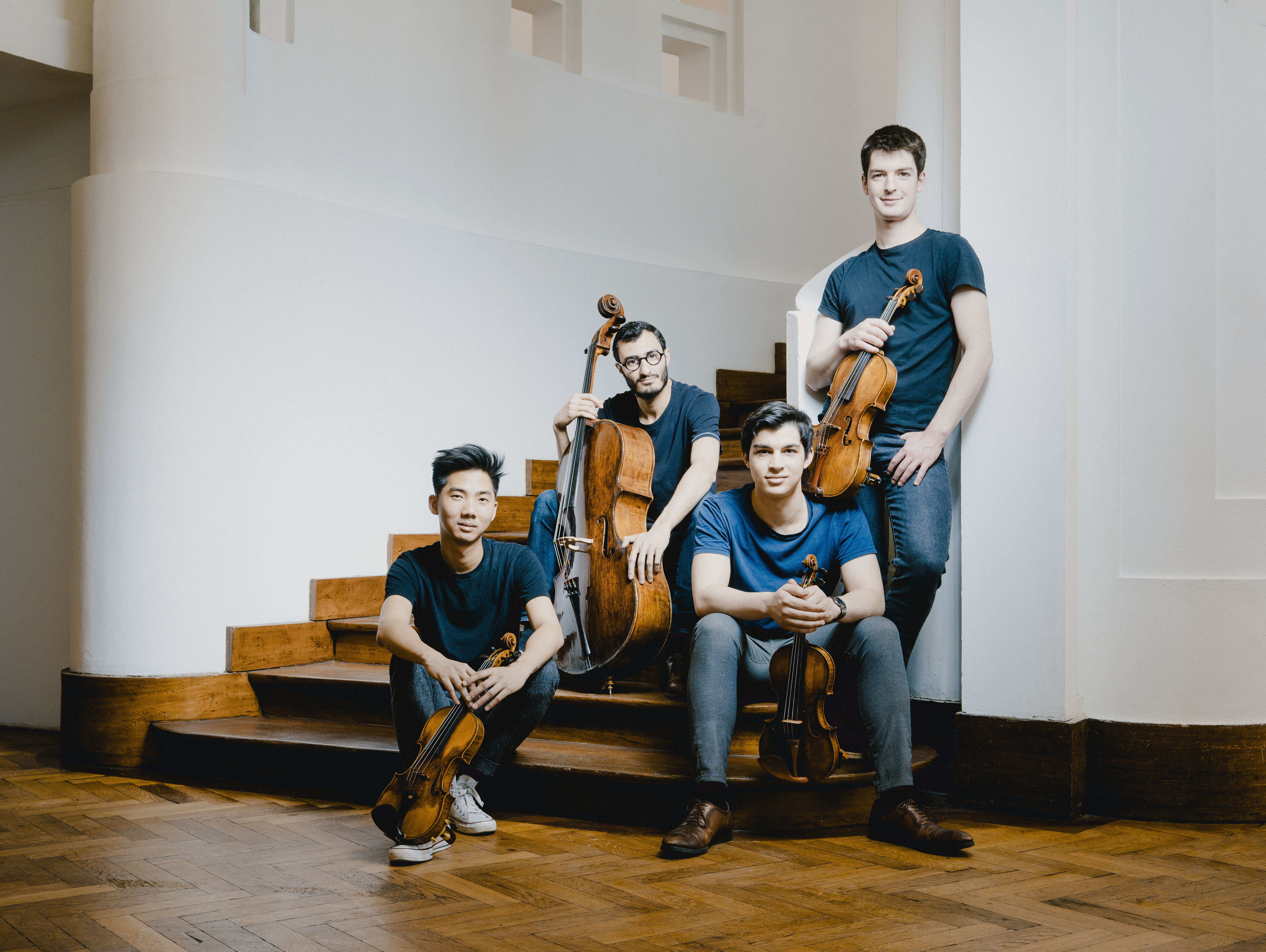
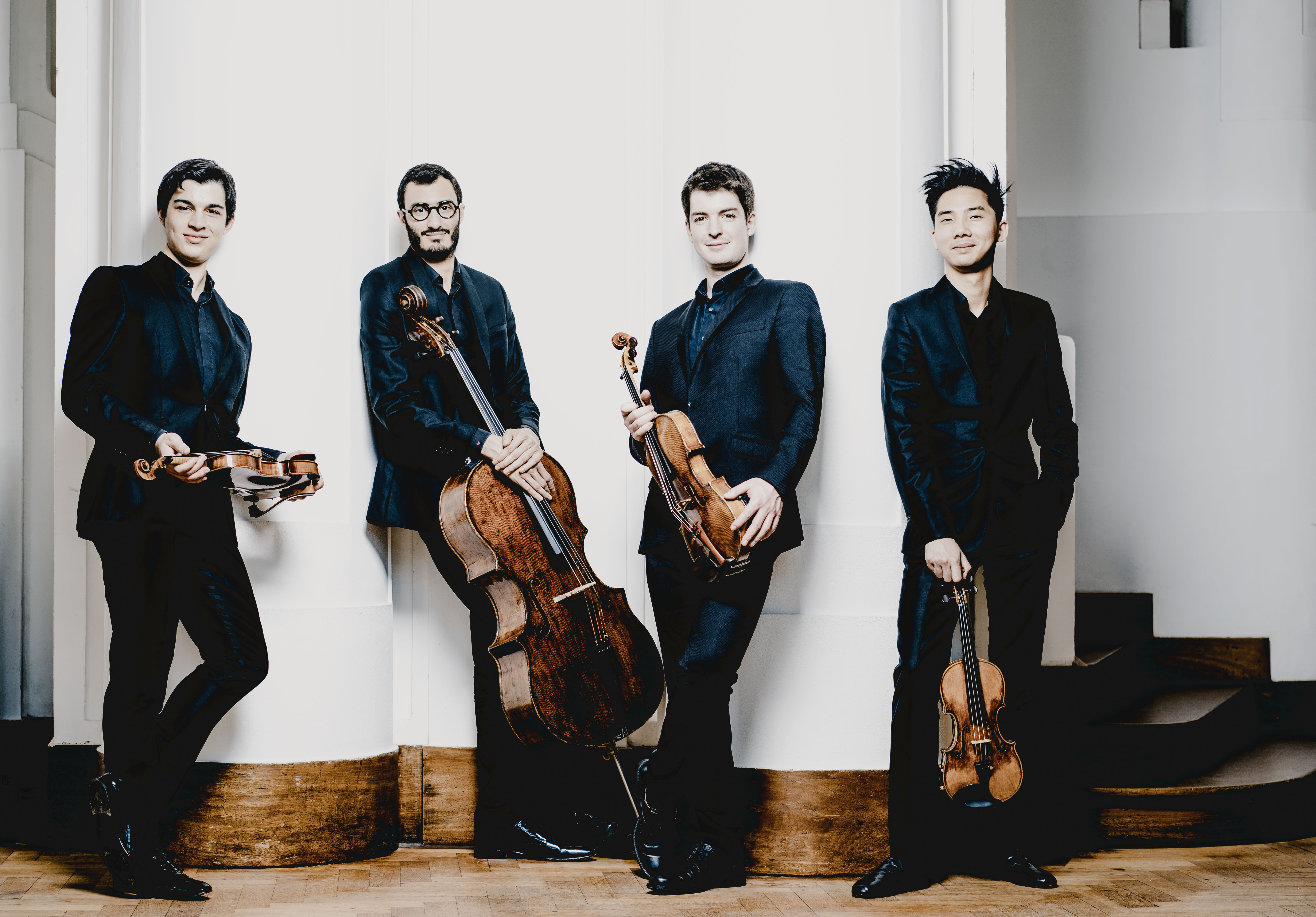
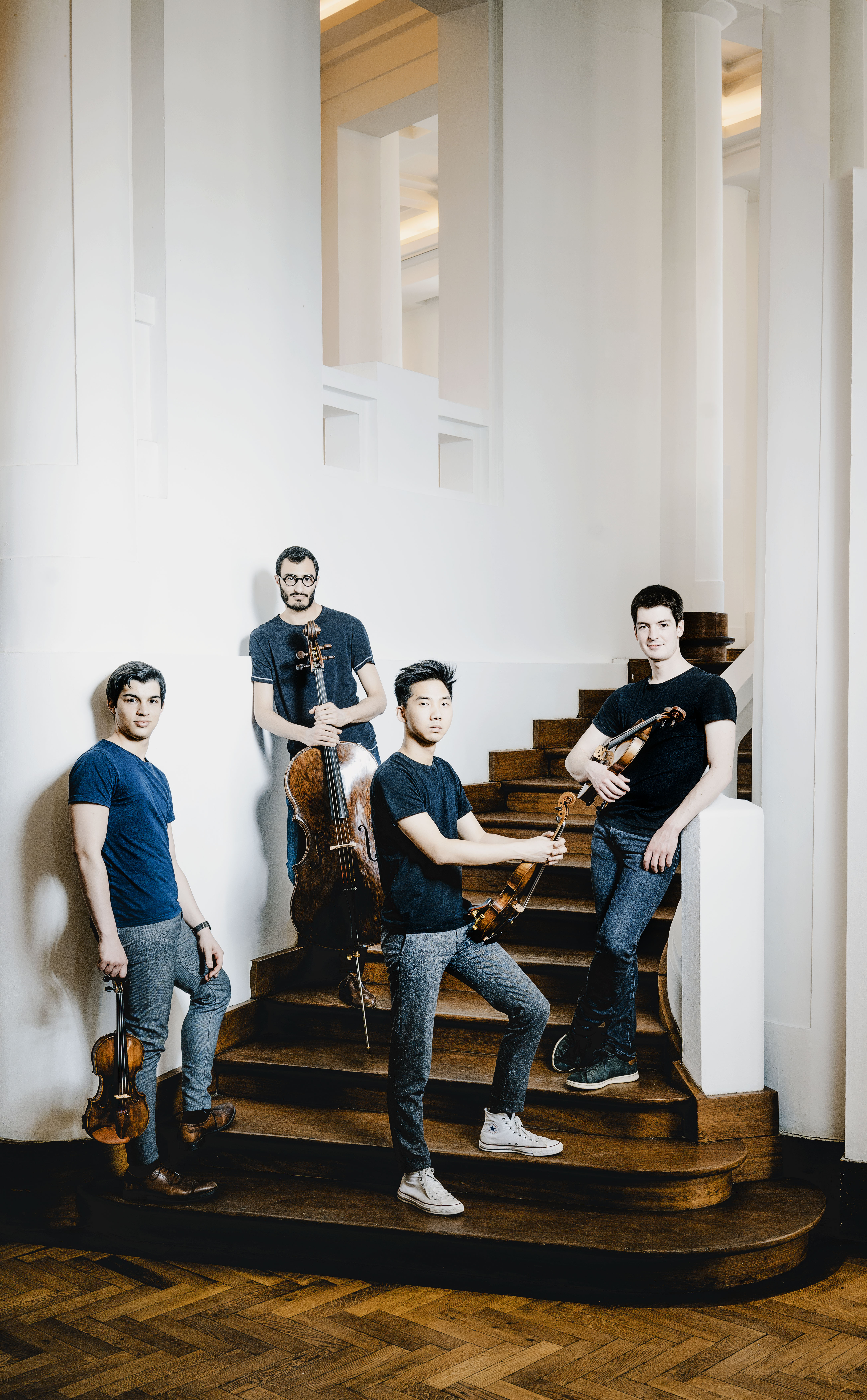
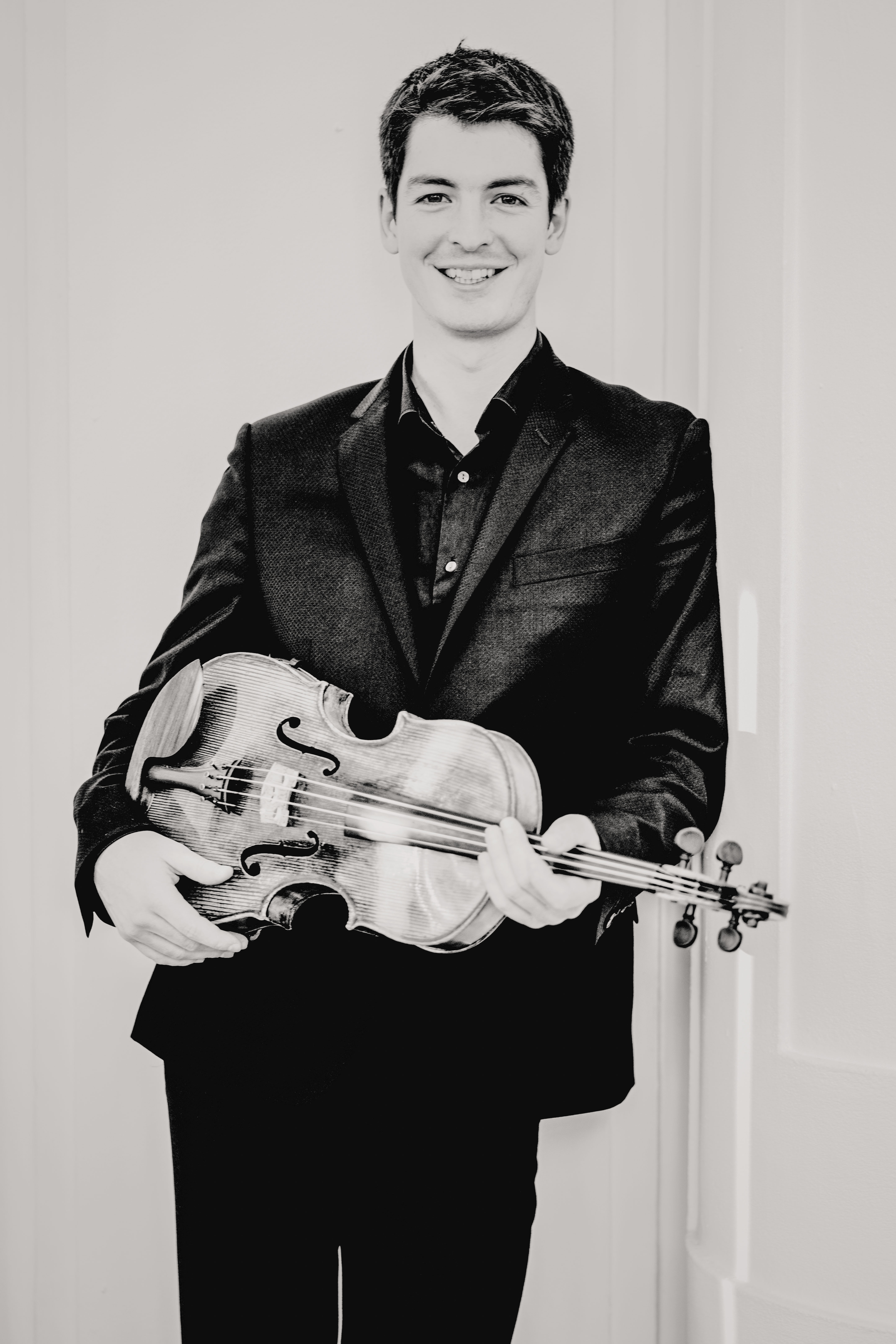
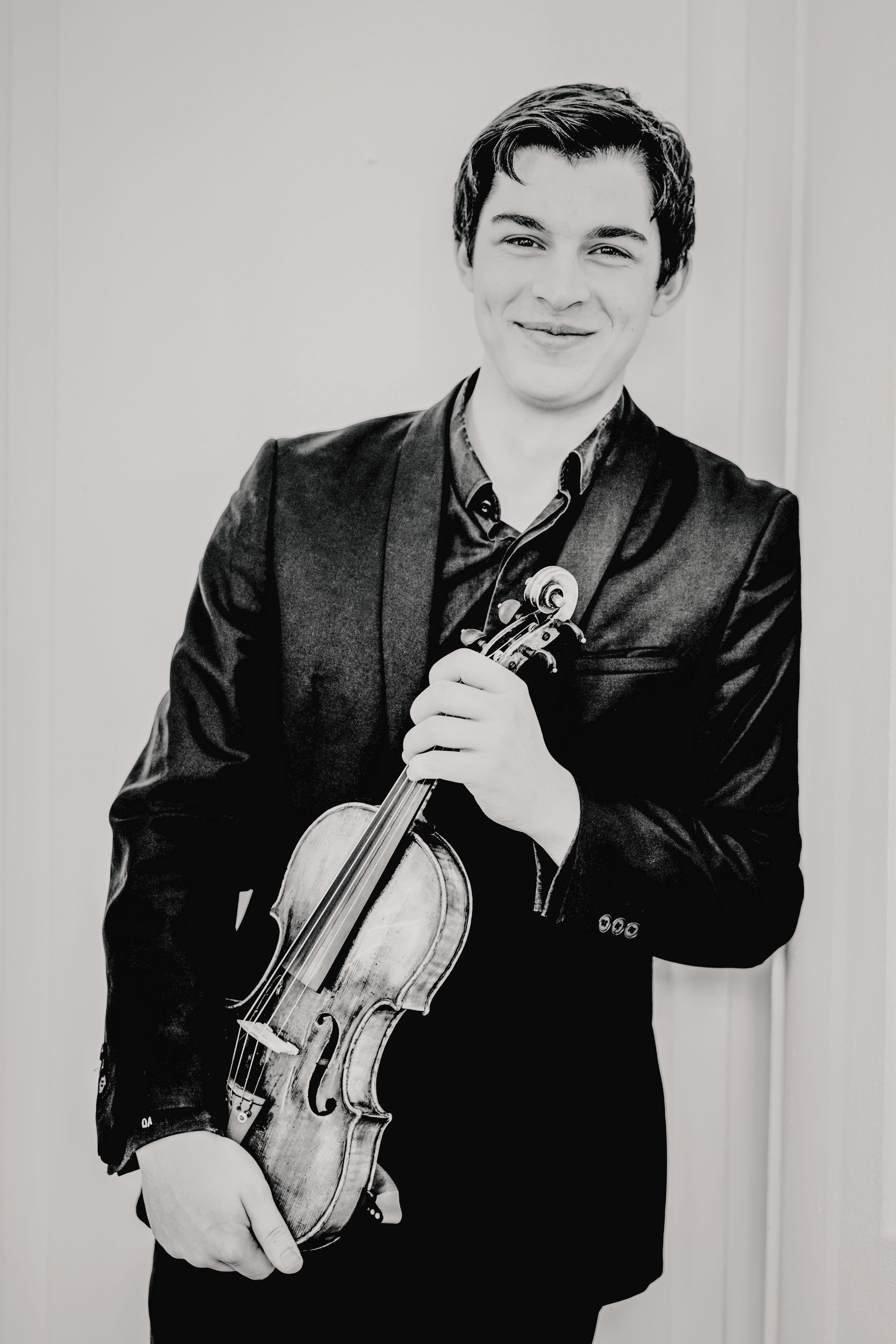
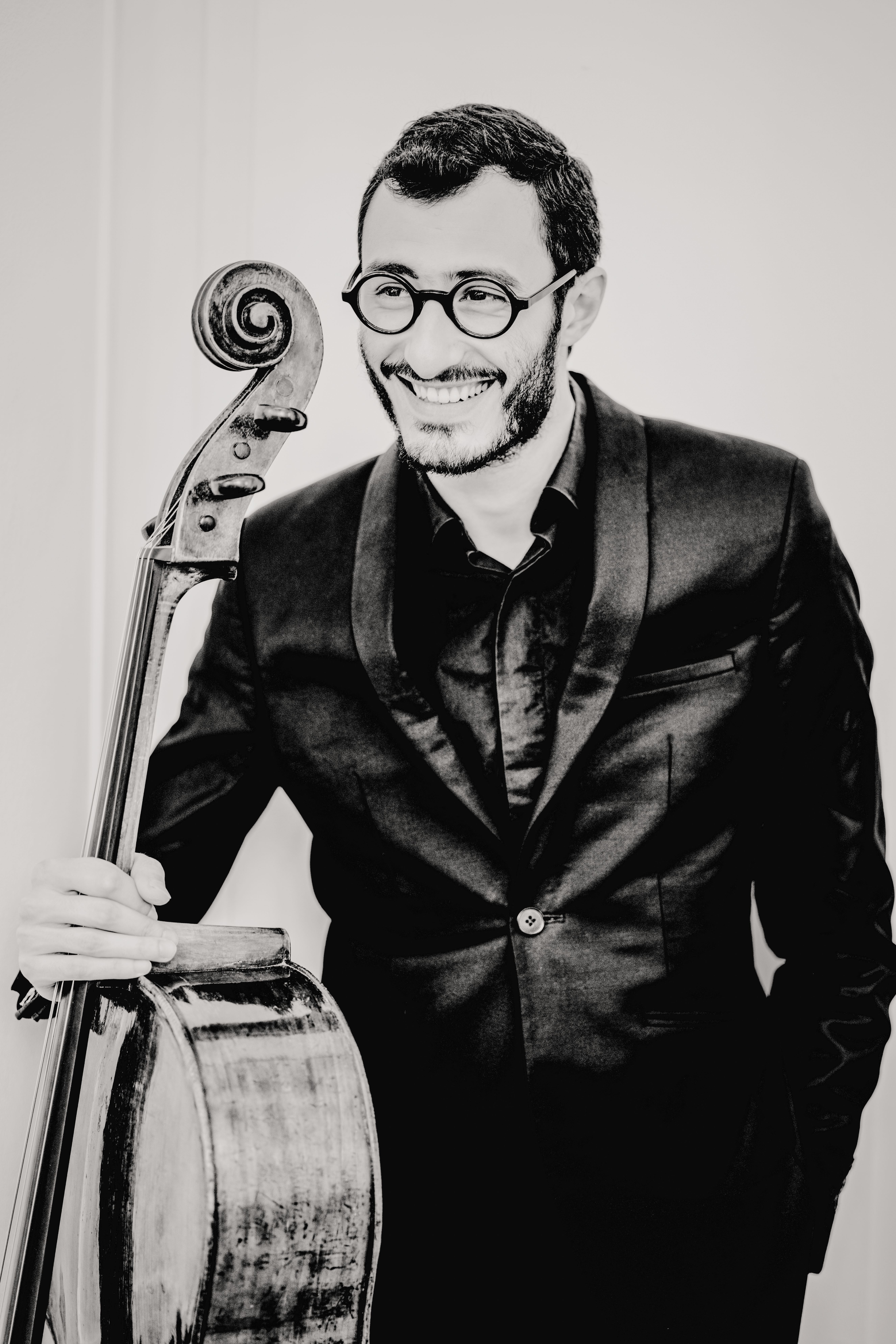
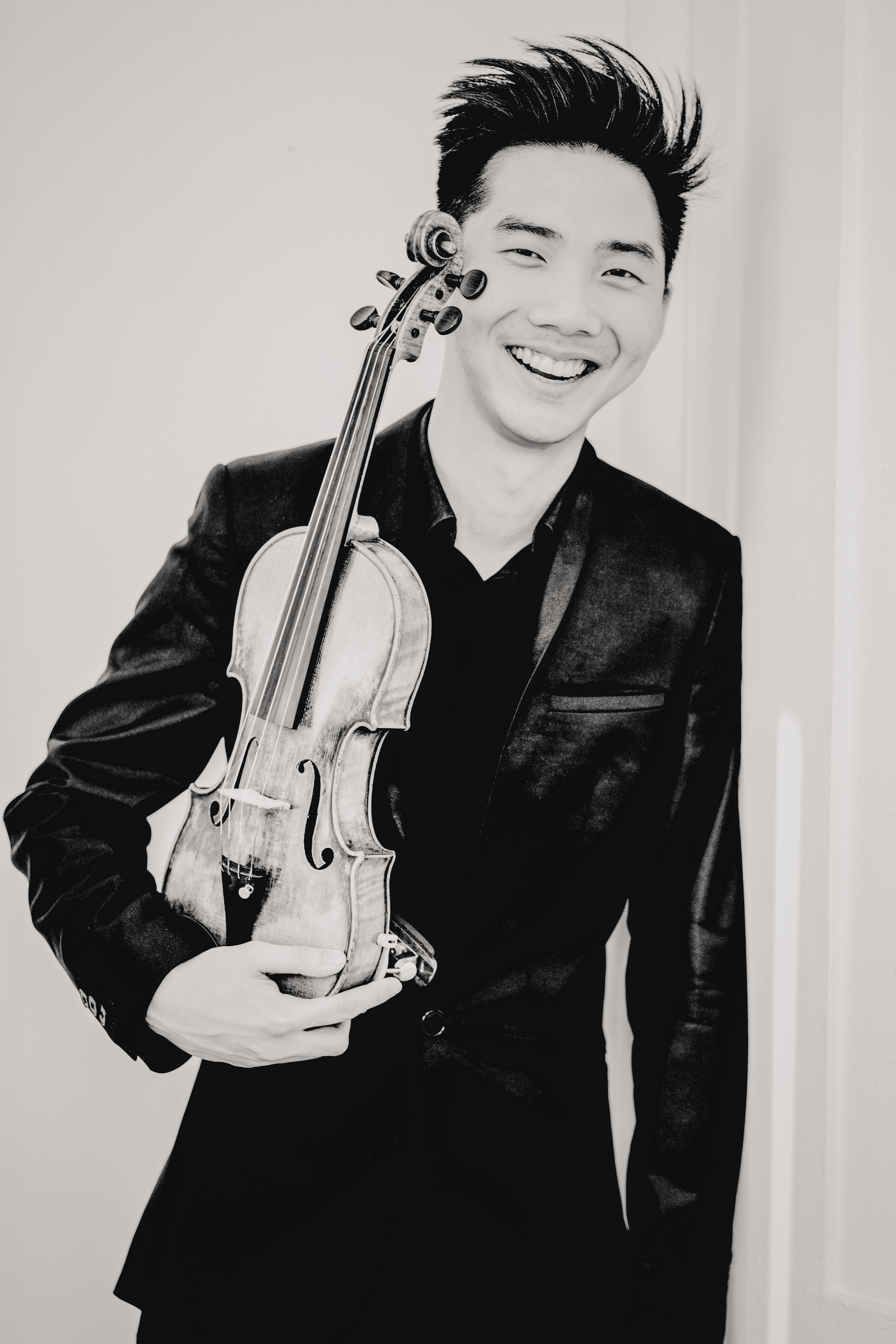
Quatuor Arod’s Jordan Victoria and Alexandre Vu (violin), Corentin Apparailly (viola) and Samy Rachid (cello) have been mentored by Erato labelmates the Artemis Quartet and former Ebène Quartet violist Mathieu Herzog. Quatuor Arod’s debut album is devoted to Mendelssohn and will be released on Friday 29 September. It includes the precocious composer’s String Quartet No.2 in A Minor, Op.13, written in his teens as a tribute to Beethoven, to which the Quatuor Arod has brought a youthful energy coupled with mature insight in concert performances. The album also features an exquisite collaboration with a further Erato artist, the mezzo-soprano Marianne Crebassa, in a performance of the song ‘Ist es wahr?’.
Established in 2013, Quatuor Arod came to the attention on the international stage when they won First Prize at the prestigious ARD International Music Competition in Munich, having already taken First Prize at the Carl Nielsen Chamber Music Competition in Copenhagen in 2015 and at the FNAPEC European Competition (Paris) in 2014.
The 2017-2018 season sees the Quatuor Arod perform at the Auditorium of the Louvre, the Philharmonie de Paris and the Théâtre des Bouffes du Nord (Paris), the Arsenal concert halls in Metz, Bordeaux and Montpellier in their native France, London’s Wigmore Hall, Salzburg’s Mozarteum and the Schloss Elmau in Germany, the Bozar (Brussels), the Konzerthaus in Vienna, Amsterdam’s Concertgebouw, Tonhalle Zurich, and the Calouste Gulbenkian Foundation in Lisbon.
Quatuor Arod studies with Mathieu Herzog and Jean Sulem and is currently artist-in-residence at the Queen Elisabeth Music Chapel in Brussels with the Artemis Quartet. They also work with the Ebène Quartet and Diotima Quartet. Jordan Victoria and Alexandre Vu are loan recipients of composite Stradivari and Guadagnini violins through the Beare’s International Violin Society.
The Quatuor Arod takes its name from Legolas’ horse in J.R.R. Tolkien’s epic Lord of the Rings trilogy – in Tolkien’s mythic Rohirric language, Arod means ‘swift’.
28 April 2017
Quatuor Arod signs exclusive recording contract with Erato
Quatuor Arod, one of the leading lights of the young generation of string quartets, has signed to Erato. Founded in 2013, with all four members in their early twenties, the Paris-based ensemble has already captivated chamber music lovers in concerts at such prestigious venues as the Auditorium of the Louvre in Paris and the Verbier Festival in Switzerland. They quickly came to international attention when they won the coveted First Prize of the 2016 ARD International Music Competition in Munich.
Jordan Victoria and Alexandre Vu (violin), Corentin Apparailly (viola) and Samy Rachid (cello) have been mentored by Erato label mates the Artemis Quartet and former Quatuor Ebène violist Mathieu Herzog. The Quatuor Arod’s debut album, slated for release late 2017, will be devoted to Mendelssohn. It includes the precocious composer’s String Quartet No.2 in A Minor, Op.13, written in his teens as a tribute to Beethoven, to which Quatuor Arod has brought a youthful energy coupled with mature insight in concert performances.
The members of Quatuor Arod commented: “When we were little, there was this towering cupboard in the living room, a wooden armoire brimming with discs and mysterious artefacts which we approached with reverence. Once we began to explore its depths, it revealed musical treasures that have stayed with us ever since. The label Erato has had an essential place in our earliest musical discoveries, planting the seed that inspired us to devote our lives to music. We grew up with the music of Erato.
“Today, we have the great pleasure to realise our dream alongside such artists as Renaud and Gautier Capuçon, Nicholas Angelich, Sabine Devieilhe, Bertrand Chamayou, and of course the Artemis and Ebène quartets from whom we have learned so much. To think that we might one day join them on the shelf of that mysterious wooden cupboard and inspire another budding young musician is the greatest honour we can imagine.”
Alain Lanceron, President of Warner Classics & Erato, added: “I’ve always thought of Erato’s artists as family. The Quatuor Arod are, in a way, descendants of the label’s two longstanding, prestigious string quartets, the Artemis and Ebène, with whom they studied and with whom they share the distinction of having won the redoubtable ARD International Music Competition in Munich. With such lineage, it seemed only natural that the Quatuor Arod would join the Erato family. These young players bring originality and vitality; their insatiable enthusiasm and already unique talent and sound are enthralling audiences in concert halls all over the world.”
Read more about Quatuor Arod.
Photos