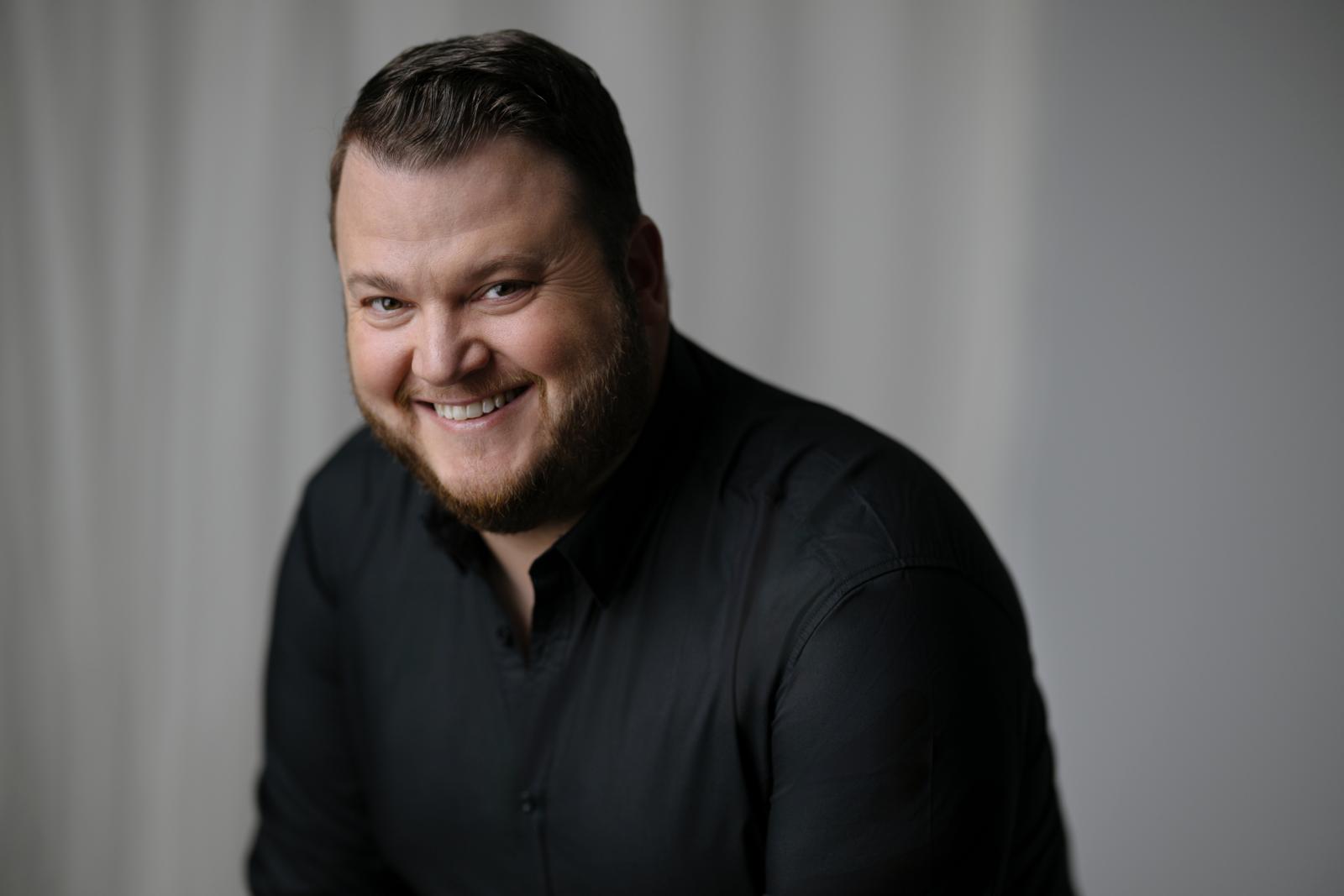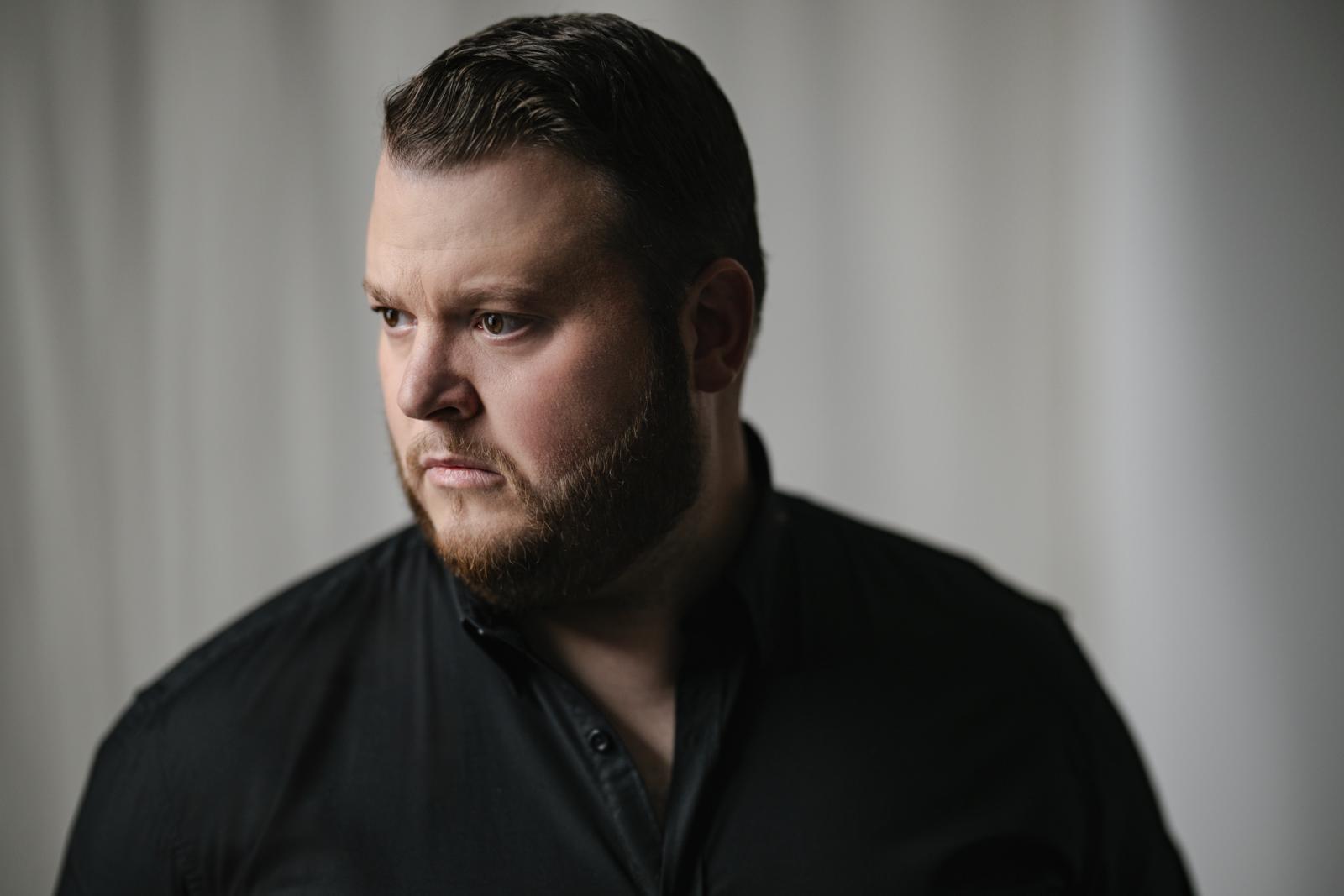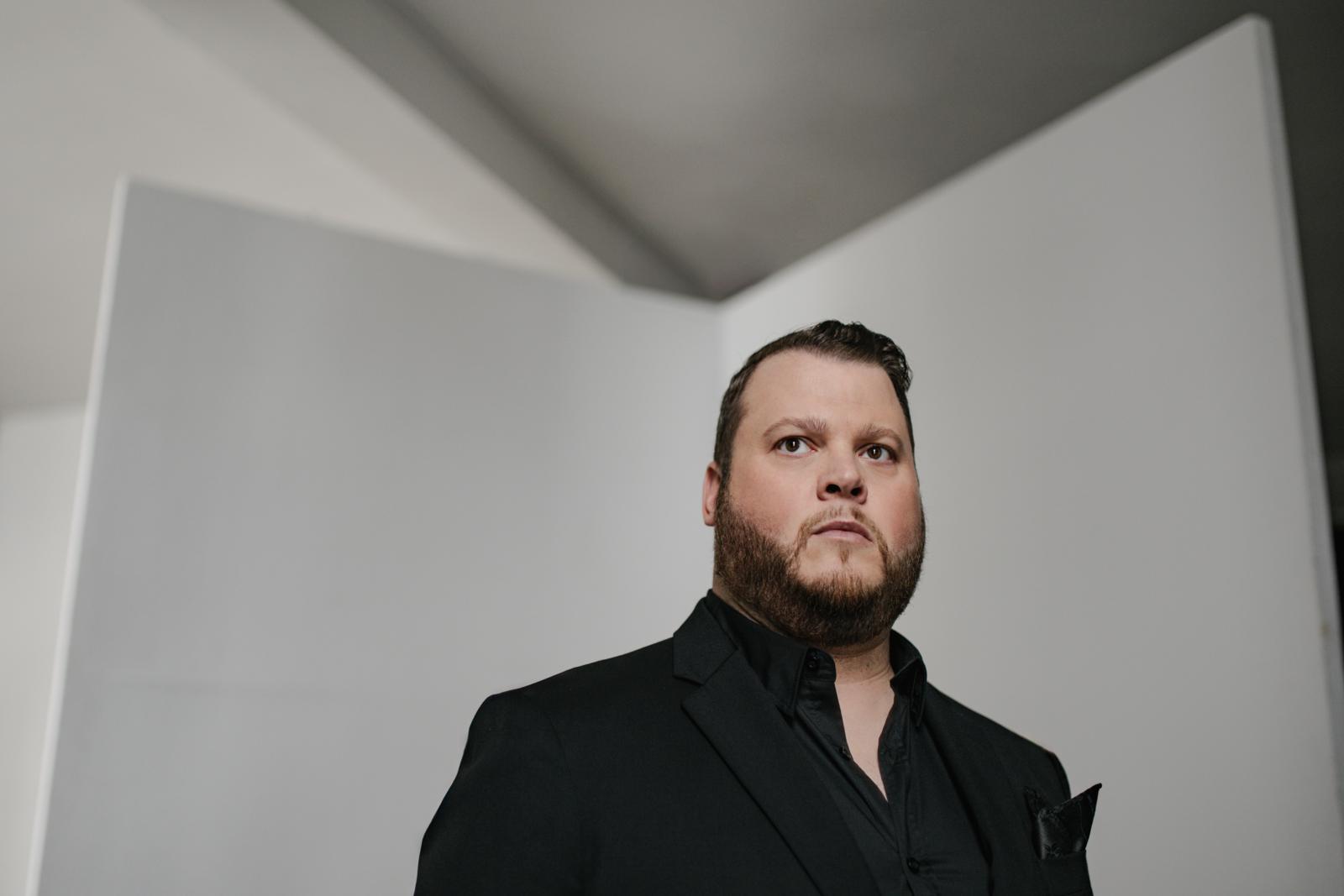
Anthony Clark Evans
About
Anthony Clark Evans’ trajectory was solidified early when he was named a Grand Finals Winner of the Metropolitan Opera National Council Auditions. His training at the Ryan Opera Center at Lyric Opera of Chicago laid the foundation for his robust technique. His relationship with the Metropolitan Opera is central, where he has sung multiple roles, including Marcello in La bohème and Germont in La traviata. Germont is a benchmark role he has also performed for his European debut with Opéra National de Bordeaux, Opéra Orchestre Normandie Rouen, Houston Grand Opera, and Atlanta Opera.
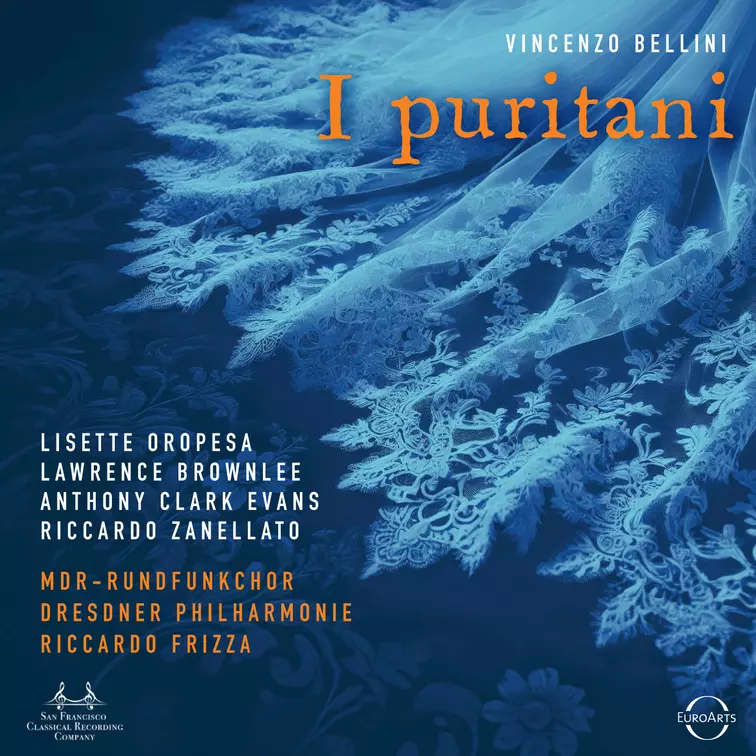
His deep commitment to the Italian repertoire is evident in numerous debuts, including the title role of Rigoletto with both Opera Philadelphia and Kentucky Opera. In verismo, he made a powerful debut as the villainous Scarpia in Tosca with Teatro Municipal de Santiago and with Cincinnati Opera, Enrico in Lucia di Lammermoor with Cincinnati Opera, and his Austin Opera debut as Tonio in Pagliacci. His versatility extends to Lescaut in Manon Lescaut for San Francisco Opera and his debut as Riccardo in Bellini’s I puritani with the Dresdner Philharmonie, which was released on the EuroArts label.
Anthony Clark Evans is a frequent soloist in major symphonic works, including the Verdi Requiem with the Washington National Cathedral, Carmina Burana with the Atlanta Symphony Orchestra, and Beethoven's Symphony Number 9. Beyond the Met Auditions win, Anthony Clark Evans was a main prize finalist at the 2017 BBC Cardiff Singer of the World. He has received significant support from American foundations, including the 2017 Richard Tucker Career Grant and the 2014 Sarah Tucker Career Grant. Further recognition includes top prizes from the Gerda Lissner and Licia Albanese-Puccini Foundations. A native of Owensboro, Kentucky, his foundational training began at Murray State University before his tenure at the Ryan Opera Center.
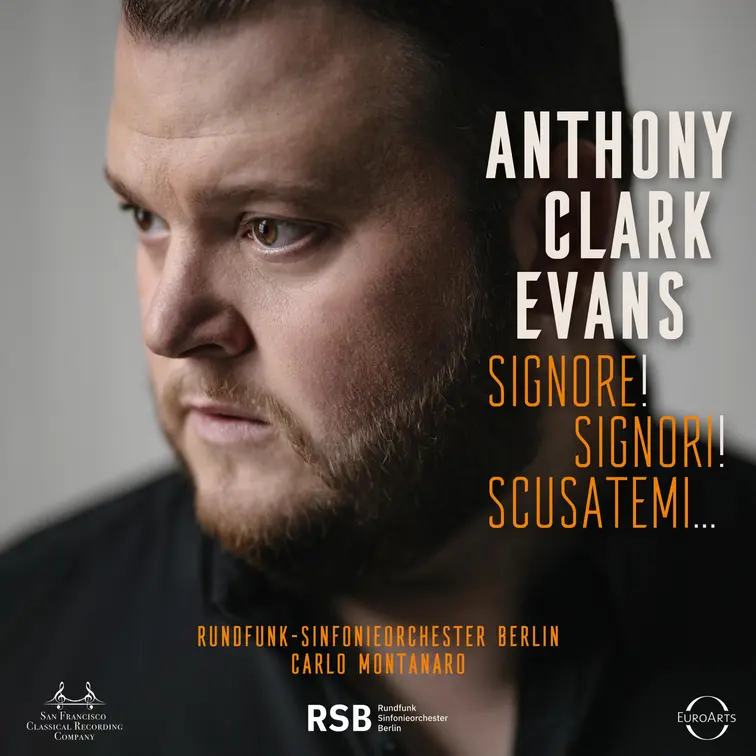
Evans' instrument has garnered universal critical praise. The Chicago Tribune celebrated his "stentorian Verdi style," providing the necessary authority for the Italian masters. This power is balanced by an essential humanity, noted by the San Francisco Chronicle, which called his performances "warm-toned, vivacious and humane." This duality allows him to embody figures ranging from tyrannical authority to deep paternal grief. His debut album confirms his place as a true dramatic baritone capable of traversing the highest demands of the German and Italian schools
Gallery